

Understanding the Psychology of Bluffing
Bluffing in poker transcends mere card play; it hinges significantly on understanding human psychology. A successful bluff often relies on a player’s ability to read subtle cues from their opponents. These cues can manifest as body language, facial expressions, or even specific betting patterns. For example, if a player suddenly raises their bet after a period of conservative play, it could indicate newfound confidence driven by a strong hand—or it could be a well-timed bluff. Players who master this strategy may also enjoy the thrilling experience of visiting a casino like 1win , where the stakes add to the excitement of their game.
The emotional landscape of poker adds another layer of complexity to bluffing. Players are not just reacting to their cards; they are also responding to the tension at the table, which can significantly influence their decisions. A player who appears anxious might actually hold a powerful hand, while a seemingly confident player could be attempting a bluff. Navigating these emotional undercurrents effectively can be the key to a successful bluff. Thus, understanding not only one’s emotions but also those of the opponents is crucial for maximizing the chances of success in bluffing.
Context also plays a critical role in the effectiveness of a bluff. The dynamics of the game can shift based on factors such as the dealer position, stage of play, and the perceived skill levels of the opponents. For example, bluffing from an early position may carry different implications than from a late position, where players have more information about their opponents’ actions. Recognizing these situational elements can guide players in making informed decisions, ultimately increasing the likelihood of executing a successful bluff. Thus, a grasp of the psychological intricacies of poker can substantially elevate a player’s game.
Strategic Bluffing Techniques
Employing strategic techniques can significantly enhance a player’s effectiveness when bluffing. One foundational tactic is the “semi-bluff,” where a player bets on a hand that may not currently be winning but has potential for improvement. This dual-purpose strategy can pressure opponents into folding stronger hands while simultaneously allowing the player to build the pot if their cards improve. By integrating semi-bluffing into their repertoire, players create uncertainty and maintain leverage at the table, which is essential for successful bluffing.
Another compelling strategy is the “reverse bluff,” where a player plays a strong hand in a seemingly weak manner to entice their opponents into betting more. This tactic can effectively mislead opponents into believing they are ahead, prompting them to raise their bets. The success of this method often hinges on a deep understanding of opponents’ tendencies and psychological profiles. When executed correctly, a reverse bluff can maximize potential winnings, capitalizing on the element of surprise that can catch opponents off guard.
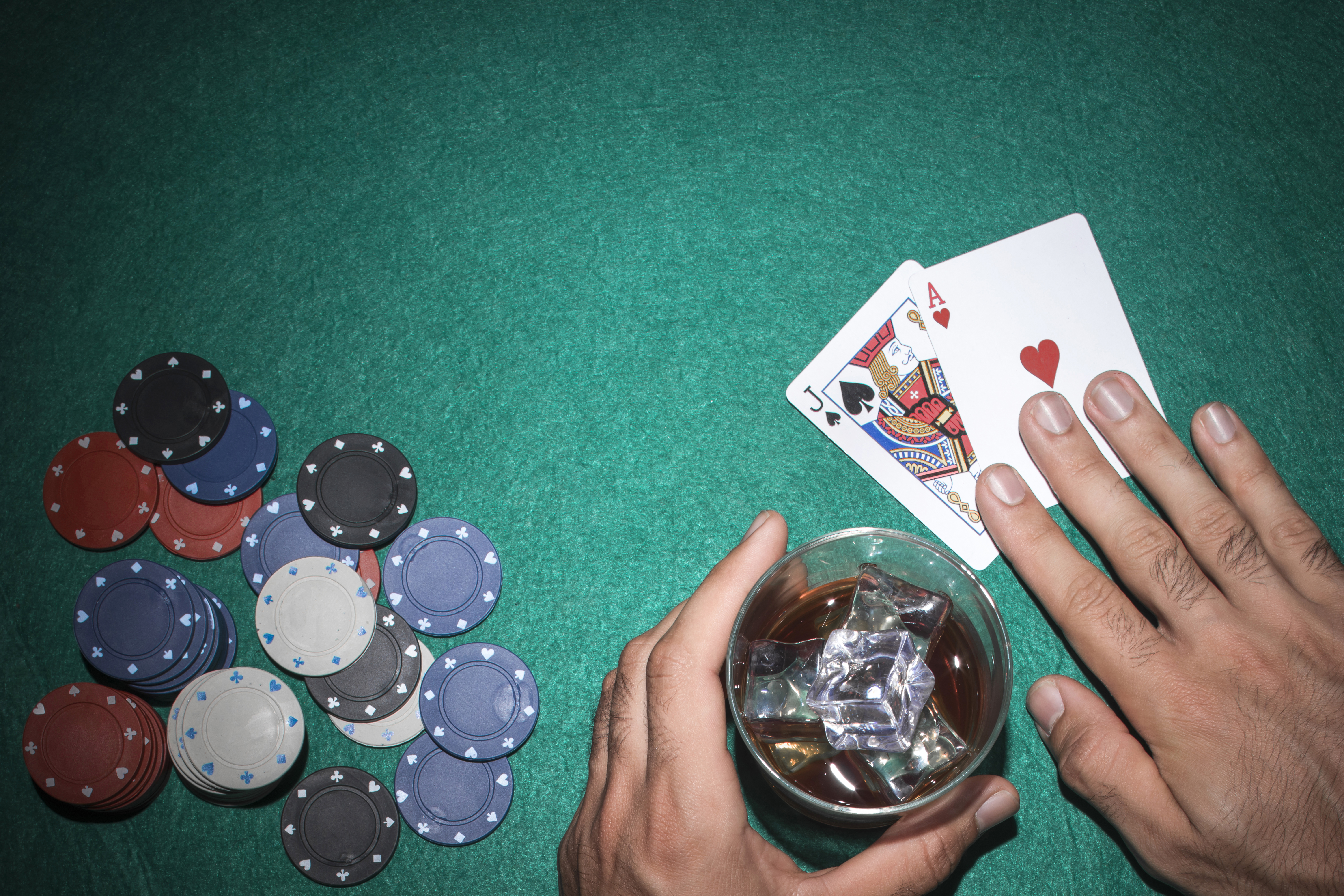
The concept of “polarized ranges” also plays a vital role in bluffing strategies. By focusing on betting with either very strong hands or total bluffs, while avoiding medium-strength hands, players create an unpredictable betting pattern. This unpredictability makes it challenging for opponents to accurately assess intentions. By consistently applying these strategic techniques, players can refine their bluffing abilities and establish themselves as formidable opponents at the poker table, ultimately enhancing their overall gameplay.
Reading Your Opponents
The ability to read opponents effectively is paramount for successful bluffing. This skill involves keen observation of how opponents react to various situations, including their betting patterns and verbal cues. For instance, a player who suddenly shifts to aggression after a passive start may indicate they have a strong hand. Conversely, a player who hesitates before folding might be struggling with a difficult decision, providing insights into their hand strength. Recognizing these signals can guide bluffing strategies and enhance the likelihood of success.
Understanding “tells,” which are subtle signs that reveal information about a player’s hand, is also crucial. Tells can manifest in a variety of ways, from physical behaviors like fidgeting or avoiding eye contact to more nuanced patterns in betting and chip handling. Proficient players often develop strategies to mask their tells, making it essential for others to remain vigilant and adaptable. Regularly practicing observational skills will sharpen a player’s ability to detect these nuances, ultimately enhancing their bluffing capabilities and overall effectiveness at the table.
Building a mental database of opponents’ tendencies through consistent play offers significant advantages. By tracking how players respond to different scenarios, one can develop a clearer understanding of their behavior patterns. This dynamic knowledge empowers players to make informed decisions about when to bluff or when to call their opponents’ bets. Ultimately, honing the skill of reading opponents is a pivotal step in mastering the intricate art of bluffing in poker, elevating a player’s overall strategy and success rate.
Timing and Positioning in Bluffing
Timing is a critical factor that can determine the success or failure of a bluff. Executing a bluff at the right moment can yield significant results. For example, bluffing on the river after a strong showing throughout the hand can effectively intimidate opponents, while a poorly timed bluff might expose a player to unnecessary risk. Understanding the flow of the game is essential; players who can identify optimal moments to bluff, based on board texture and opponent tendencies, position themselves favorably for successful outcomes.
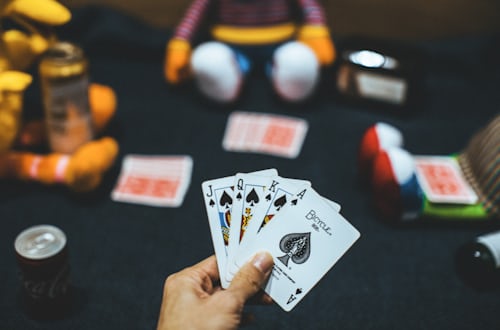
Positioning at the table also significantly influences bluffing strategies. Players in late positions often have the advantage of more information about their opponents, which makes it easier to identify weaknesses. Bluffing from an early position may be riskier, as more players have yet to act. A well-timed bluff executed from a cutoff or button position can often yield favorable results, as players are more likely to fold under pressure from those in advantageous spots. Recognizing these dynamics can enhance a player’s overall bluffing prowess.
Additionally, adapting to the specific type of game and its structure can further refine timing strategies. In tournament settings, for instance, table dynamics often shift as players become more risk-averse, which can lead to opportunities for well-placed bluffs. Conversely, behaviors may differ in cash games. Understanding these variations allows players to better assess when to attempt a bluff, as psychological pressures and stakes differ dramatically between formats. Thus, cultivating an acute sense of timing and awareness of positioning can elevate a player’s bluffing game significantly.
Exploring Resources for Poker Mastery
To improve poker skills, players can explore a myriad of resources that focus on refining bluffing strategies. Books authored by seasoned poker professionals offer invaluable insights into the game’s complexities. Many of these texts delve into advanced bluffing techniques, hand analysis, and the psychological components that underpin successful play, making them essential reading for serious enthusiasts. Through diligent study of these resources, players can acquire a deeper understanding of effective bluffing and become more adept at recognizing when to execute such moves.
Engaging with online poker forums and communities presents additional opportunities for growth. These platforms allow players to connect with fellow enthusiasts, share experiences, and discuss strategies. Collaboration and conversation with others can enhance a player’s knowledge base, offering diverse perspectives on bluffing and other gameplay elements. Actively participating in discussions and analyzing hand histories can expose players to various playing styles, inspiring new strategies that can be integrated into their own game.
Finally, practice remains irreplaceable in the journey to mastering bluffing. Regularly participating in poker games—whether online or in person—enables players to apply theoretical knowledge in practical settings. The more one plays, the more comfortable they become with bluffing as a viable strategy. Continuous practice not only sharpens skills but also enhances the ability to read opponents and adjust strategies accordingly. By exploring these resources and engaging with the broader poker community, players will be well on their way to becoming more proficient and confident players at the table.